Get a quote
 Client area

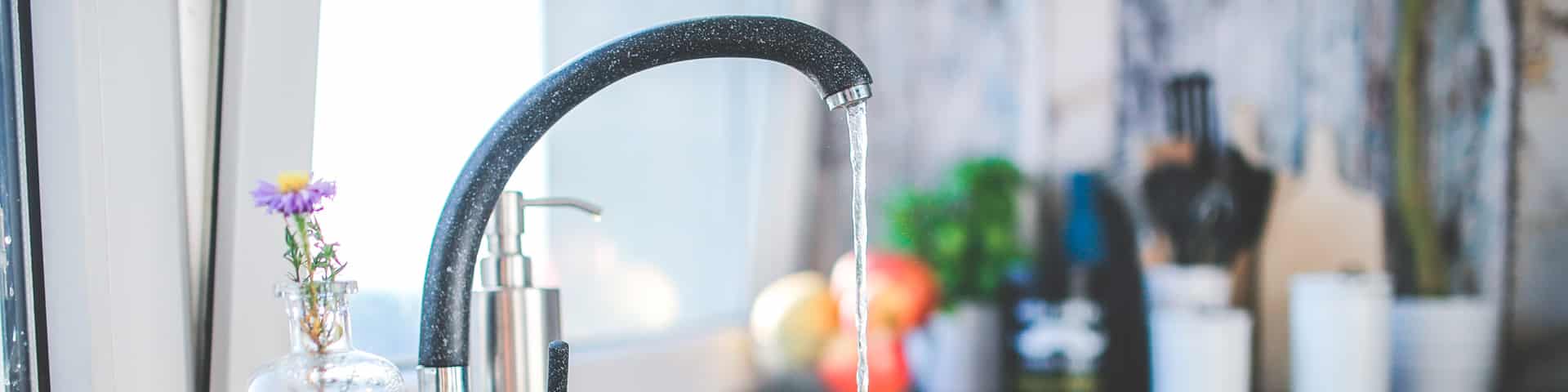
Did you forget to turn off a tap before going away on holiday? Do you get the impression your upstairs neighbours have installed an Olympic swimming pool, judging by the flow of water that keeps spreading across your kitchen? Do not panic, because your Etudassur comprehensive home insurance protects your home. So take a breath and find out how to go about things if there is water damage.
How does Etudassur protect you if there is water damage?
Whether you take out the “Essentielle”, “XXL” or “XXL + Vélo” option, each one includes water damage insurance. In practical terms, what is the extent of this cover?
It means that Etudassur covers the damage caused to the furniture in the building of your home by water damage, whether it comes from your own home (if your washbasin overflows, for example) or from someone else’s home (such as seepage coming from your neighbour’s).
Are you wondering what to do if there is water damage? Is your anxiety growing? Rest assured, because 3 categories of damage are covered by your Etudassur comprehensive home insurance:
1: Material damage to the furniture held within the building, caused exclusively by:
– Accidental water flows from gutters, downpipes, roof gutters or pipes, from the internal water system or from containers.
– Accidental seepage by or through balconies, roofs, terraces, skylights and outside walls, tiling, or the sealing joints around sanitary installations.
– The backing up of sewers, drains, cesspits or septic tanks.
– Damp in the buildings, misting, condensation or rising damp where these are the direct consequence of an incident that is covered.
– Any water damage for which an identified third party is responsible.
But what should you do if there is water damage and the rescue measures and emergency services’ intervention following an incident covered by your insurance cause damage? Do not panic: Etudassur will then compensate you.
2: Material damage caused to the furniture in the building by any fluid as a result of the accidental breakage of pipes and storage equipment.
3: Material damage caused to the furniture in the building by the internal water system freezing.
In which cases is water damage cover excluded?
What should you do if there is water damage that is not covered by your insurance? Here again, rest easy, because these are uncommon exceptions:
– Where the damage caused by water damage originates in natural disasters or climatic events, which are then covered by those “said covers”.
– For damage that is not accidental.
– For all damage suffered by terraces, roofs, outside walls, pipes, skylights, balconies, roof gutters, downpipes, the internal water system (except in the event of freezing) or the external one, and appliances connected to the internal water system, where they are the cause of the incident.
What should you do if there is water damage?
Do not run away… First of all, what should you do as a priority if there is water damage? You need to find the cause of the water damage and put it right if you can (by turning off a tap or a leaking boiler, for example). Where that proves impossible, contact the manager of your residence, the assistance service included in your insurance policy and, finally, the emergency services if it is really necessary.
Finally, contact us, so that we can quickly call out a professional whose rates have been negotiated in advance with Etudassur. That way you can be sure of paying the “right price” for the call-out.
You will receive your compensation only on production of evidence that the work needed to remove the cause of the seepage has been carried out.
Report your claim to us within 5 working days of becoming aware of it, by email to sinsitre@etudassur.fr or through your customer area > Report a claim.
What should you do if there is water damage involving a third party?
It is important to draw up a water damage report (downloadable here). This joint water damage report must contain your contact details, your insurance policy number, a description of the damage suffered (including by third parties) and the contact details of any victims.
N.B. your building’s managing agent or your landlord must also fill in and sign the joint water damage report.
Besides this document, do not forget to attach any supporting evidence proving the incident (photographs of your home or invoices for damaged items, for example).
Do you have any questions? Contact us from Monday to Friday, from 9.30 am to 1 pm and from 2 pm to 5.30 pm on 01 80 48 14 12, or by email to sinistre@etudassur.fr.

FAQ
What should you do in the event of water damage?
What should you do if there is water damage? Find the cause of the water damage in order to limit it (by turning off a tap left running, for example). Where that is impossible, contact the emergency services. Finally, contact your insurer to obtain the details of a repairer they have approved.
Which types of water damage are covered by your insurance?
These are water damage caused by:
– Material damage to the furniture in the building (due to accidental flowing or seepage, for example).
– Material damage to the furniture in the building caused by any fluid as a result of the accidental breakage of pipes and storage equipment.
– Material damage to the furniture in the building caused by the internal water system freezing.
Who has to report a water damage claim?
What should you do if there is water damage and you have suffered loss? As the policyholder of the home that suffered (or caused) the damage, you must report the incident to your insurer.
You have 5 working days to send a claim report to your insurer: in your joint water damage report, give your contact details and your insurance policy number, describe the damage caused (including by third parties) and give the contact details of the victims.
The building’s managing agent (or your landlord) must also complete the report.