Get a quote
 Client area

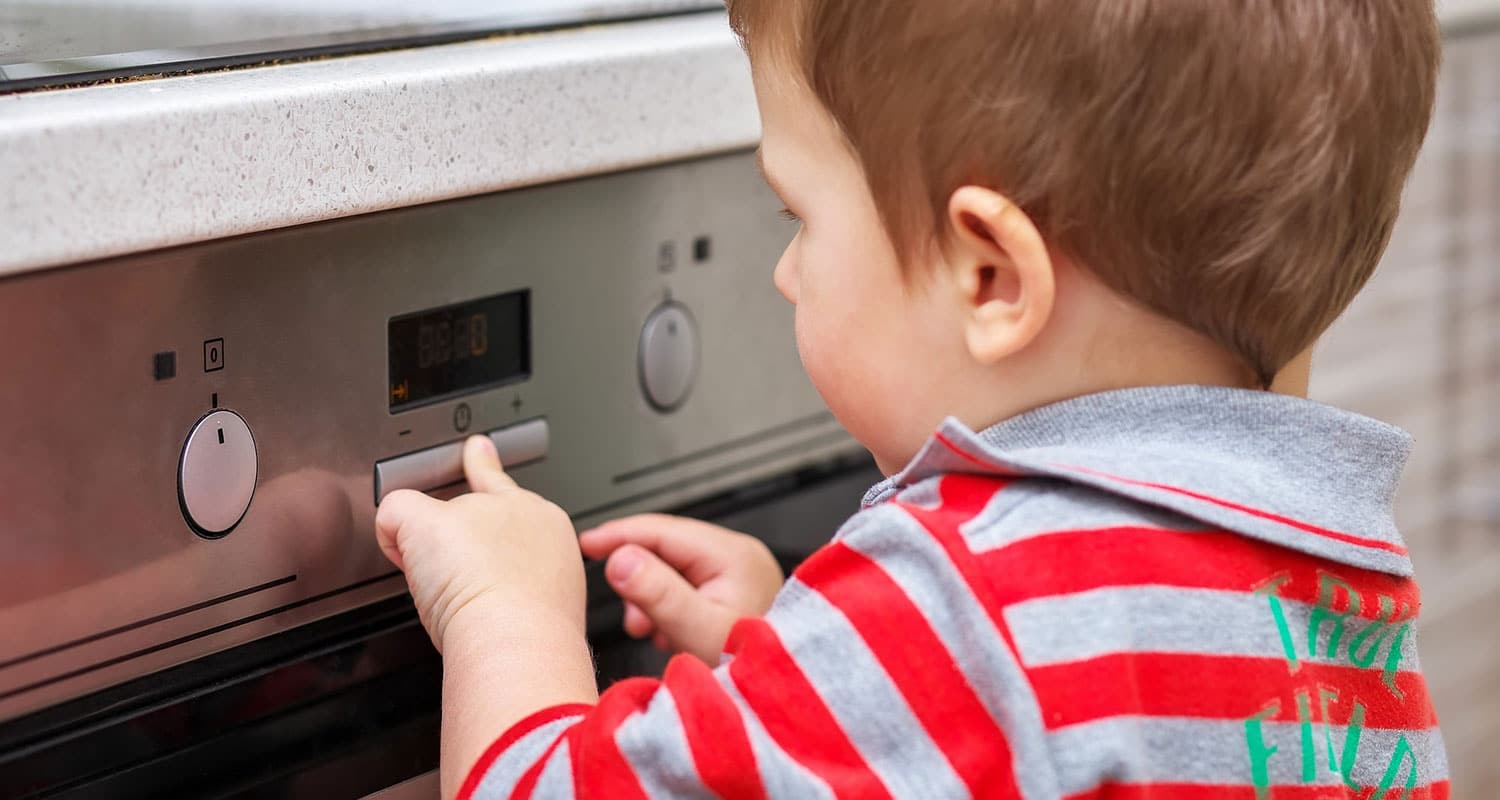
Are you a student or a young worker looking for protection against domestic accidents in your home? These accidents, whether they happen inside the property or in its surroundings, can lead to injury or damage. In view of this, the question arises as to what home insurance actually provides for. How does it work in these cases, and is there specifically a domestic accident cover in home insurance? This article gives you the answers.
An introduction to home insurance and domestic accident cover
In France, home insurance is compulsory for all tenants and owners. It can include several covers, among them domestic accident cover.
A definition of home insurance
As its name suggests, the purpose of home insurance is to insure a home. As such, it covers the property when damage occurs, such as:
- broken glass;
- fire;
- burglary;
- water damage.
It is particularly recommended for students renting unfurnished accommodation, to cover civil liability and the rental risks mentioned above. They can therefore choose, for example, home insurance for students suited to their situation.
For students and young workers alike, however, it is advisable to read the general terms and the particular terms set out in the home insurance policy before taking anything out.
The general terms bring together the provisions applicable to all the company’s policyholders. They cover various points, in particular:
- excesses;
- payments;
- the risks covered.
The particular terms, for their part, are specific to each policyholder. They relate, for example, to your identity, to the features of your home and to the value of the belongings covered.
Why domestic accident cover matters
The cover offered by home insurance takes very little account of domestic accidents. This is because its main purpose is to compensate you for damage suffered by the property.
What is more, when it includes civil liability cover, that covers compensating third parties to whom you may have caused harm inside your home.
For these reasons, it is important in this specific case to arrange accident cover for everyday life, known in France as GAV. This optional cover then offers you good protection against domestic accidents such as falls and burns.
Liability and compensation in the event of a domestic accident
In the event of a domestic accident, your civil liability may be engaged. But in which cases? And what is the process for compensating the victim?
The policyholder's civil liability in the event of a domestic accident
If, as a student, you have taken out home insurance for CROUS accommodation or insurance for unfurnished accommodation, it must include civil liability cover. That cover therefore first covers personal injury caused by the domestic accident.
It allows you to compensate the victims of damage caused accidentally through your actions. Those victims may be guests or outside parties with an occasional connection to your home (a delivery driver, for example).
Should the domestic accident have led to material damage, your civil liability also steps in to cover the cost of repairing or replacing the belongings affected.
The process for compensating the victim of a domestic accident
The process for compensating the victim of a domestic accident follows several steps. The first is to notify your insurer, usually within 5 working days. Your report must include several details, such as:
- your contact details;
- your insurance number;
- a description of the circumstances;
- details of the people involved.
After receiving the file, your insurer assesses the circumstances by appointing an expert. Depending on the damage found and the cover limits set out in the policy, they determine the amount of compensation or the payment of the loss and of the medical costs.
Be aware, however, that compensation will be possible only if the accident results in a permanent partial disability rate above the threshold set out in the policy. That rate is generally set at 30 % for basic cover and at 5 % or 10 % for extended options.
Assistance and additional cover for domestic accidents
For complete cover, insurers offer additional options. Some provide assistance services, especially in the event of a domestic accident.
Assistance services in the event of a domestic accident
In an insurance policy, the assistance services provided in the event of a domestic accident are intended to help the policyholder and their family. This may be emergency insurance covering, for example, first aid, emergency transport and the intervention of a healthcare professional.
Some policies may offer support to the victim’s family members through childcare or pet-sitting services. Psychological support may be added to this, especially for families who are emotionally affected by the accident.
Additional cover offered by insurers
If you wish to have cover in the event of domestic accidents, you need to take out additional cover. This includes everyday accident insurance or permanent accident cover, home assistance cover and legal protection cover.
With many providers, you have support from the moment the incident occurs in your home. To offer a service as effective as this, they rely in particular on reinsurance contracts, which allow them to back the cover they offer. By going to a reinsured insurance company, you can therefore be certain that the conditions are in place for you to obtain quality cover.