Get a quote
 Client area

How do you prevent a fire in your home? What should you do if a fire breaks out? While there are situations where you can leave the premises, sometimes that option does not exist. You then have to keep calm, follow certain safety instructions for yourself and for anyone else present, and wait for the emergency services. We explain it all.
Contents
How do you prevent a fire in your home?
Thanks to Etudassur, you have fire insurance that covers you effectively.
There are, however, several principles for learning how to prevent a fire in your student accommodation.
First, 4 principles that hold for any type of building:
- Do not smoke in bed (nor in your home if the house rules prohibit it).
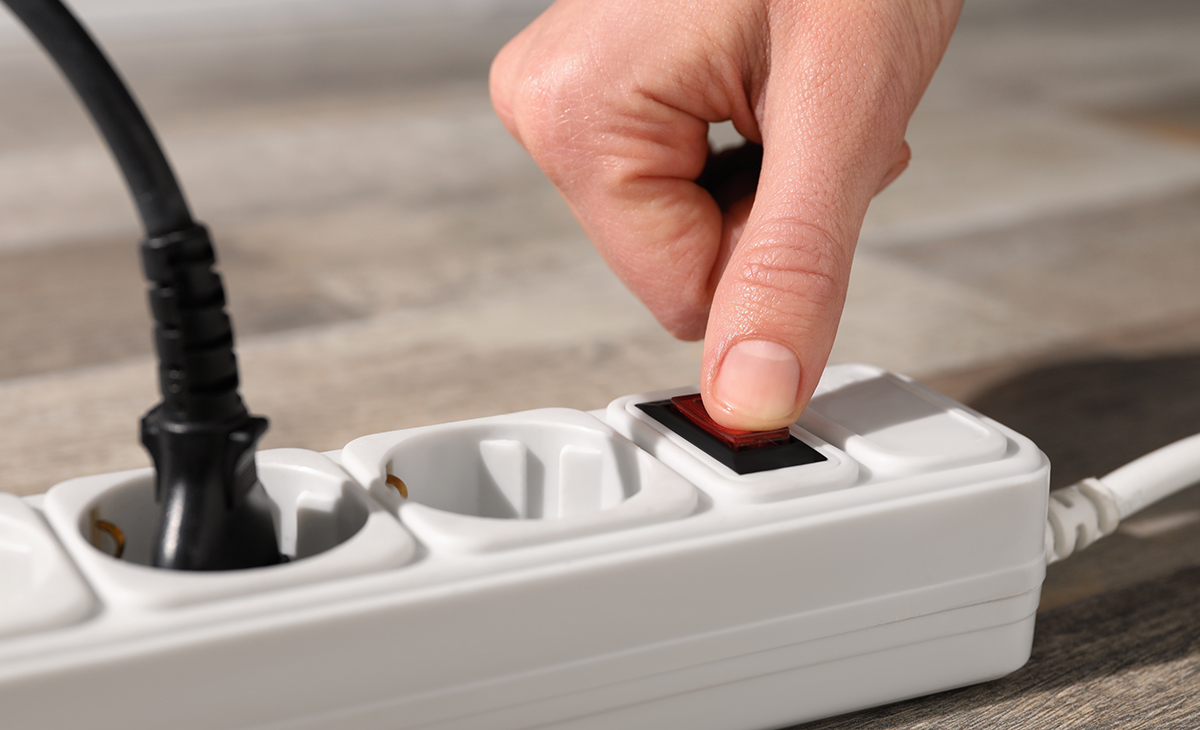
- Avoid plugging too many appliances into the same socket.
- Never leave oil on the heat and switch off appliances left on standby, especially kitchen appliances (a toaster or a coffee machine, for example).
- Keep flammable products away from sources of heat (such as hobs).
Beyond these 4 main principles, here are several important precautions to adopt in order to know how to prevent a fire:
- Do not use a supplementary heater (a paraffin heater or an electric radiator, for example) in cluttered places. If you have no choice, be careful not to cover your appliances and to place them as far as possible from anything that could obstruct how they work.
- Have your electrical and gas installations checked and serviced regularly.
- Get yourself a fire extinguisher.
- If your home has a chimney, have it swept at least once a year.
- If you have a fireplace or a garden with a barbecue, do not use alcohol to revive the embers.
- Your smoke detectors must be in perfect working order. While installing them is your landlord’s responsibility (or that of the manager of your student residence), it is up to you to check that they work properly, and to replace them should they be faulty. Be careful: the absence of a smoke detector can mean your cover is forfeited in the event of a claim.
What should you do if a fire breaks out?
Knowing how to prevent a fire is essential, but how should you act if there is one? In such a situation:
- Alert the emergency services immediately.
- Warn your neighbours and all the other occupants of the building.
- Try to put the fire out if you can (if it is a fire that is just starting and still containable).
- If that is impossible or too dangerous, evacuate and check that nobody is still in the building.
- If you live in a student residence, there is an assembly point in the event of a fire: go to it.
- If the fire is on the floors above yours or you are near an exit, leave the building (even if you know how to prevent a fire, or even put one out). Do not use the lift.
If there is no way for you to get out of your home or the building (for example if the fire has already reached your landing or the floors below where you are):
- Check the temperature of your door by touching it: if it is hot, do not try to open it, because that probably means the fire is already on the other side. Try another way out.
- If smoke is coming under the door, douse it with water and try to seal it with damp cloths.
- Do you know how to prevent a fire on your clothes or in your hair (or that of the people with you)? Use a towel, a coat with no synthetic material or a blanket to smother the flames, or roll on the floor to put them out.
- Where possible, make yourself seen at a window to alert the emergency services.
- If smoke is coming under the front door or through any other gap, crawl along the floor beneath the smoke and cover your mouth with a wet handkerchief.
- If you or someone else has been burned, run cold water continuously over the burned area.
- Do not try to remove burned clothing, as it will stick to the skin.
- A useful rule for knowing how to prevent a fire (or avoid making it worse)? Never throw water on burning oil.
FAQ
What are the 4 main principles of fire prevention?
– Do not smoke in bed.
– Do not plug too many appliances into the same socket.
– Never leave oil on the heat and switch off appliances left on standby.
– Do not leave flammable products near sources of heat.
How do you escape a fire?
– If your door is hot to the touch, do not try to open it and try another way out.
– If smoke is coming under the door, douse your door with water and try to seal it with damp cloths.
– How do you prevent a fire if your clothes or your hair catch alight? Take a towel, a coat (with no synthetic material) or a blanket, or roll on the floor to smother the flames.
– Make yourself seen at a window to alert the emergency services.
– If smoke is coming under the front door, lie on the floor beneath the smoke and cover your mouth with a wet handkerchief.
What fire prevention measures are there in a hotel?
Every hotel is required to have a certain number of items and to comply with several fire safety rules:
– All premises presenting a risk fitted with a smoke detector; fire detection systems for hotels accommodating more than 100 people.
– In each room, a document (written and illustrated) explaining how to prevent a fire, along with the fire instructions.
– Annual inspection of the fire detection system.
– Enclosure of the stairwell for establishments with upper floors, and a 2nd staircase compulsory for hotels accommodating more than 100 people.
– Fire-resistant screens and door units for each room.