Get a quote
 Client area

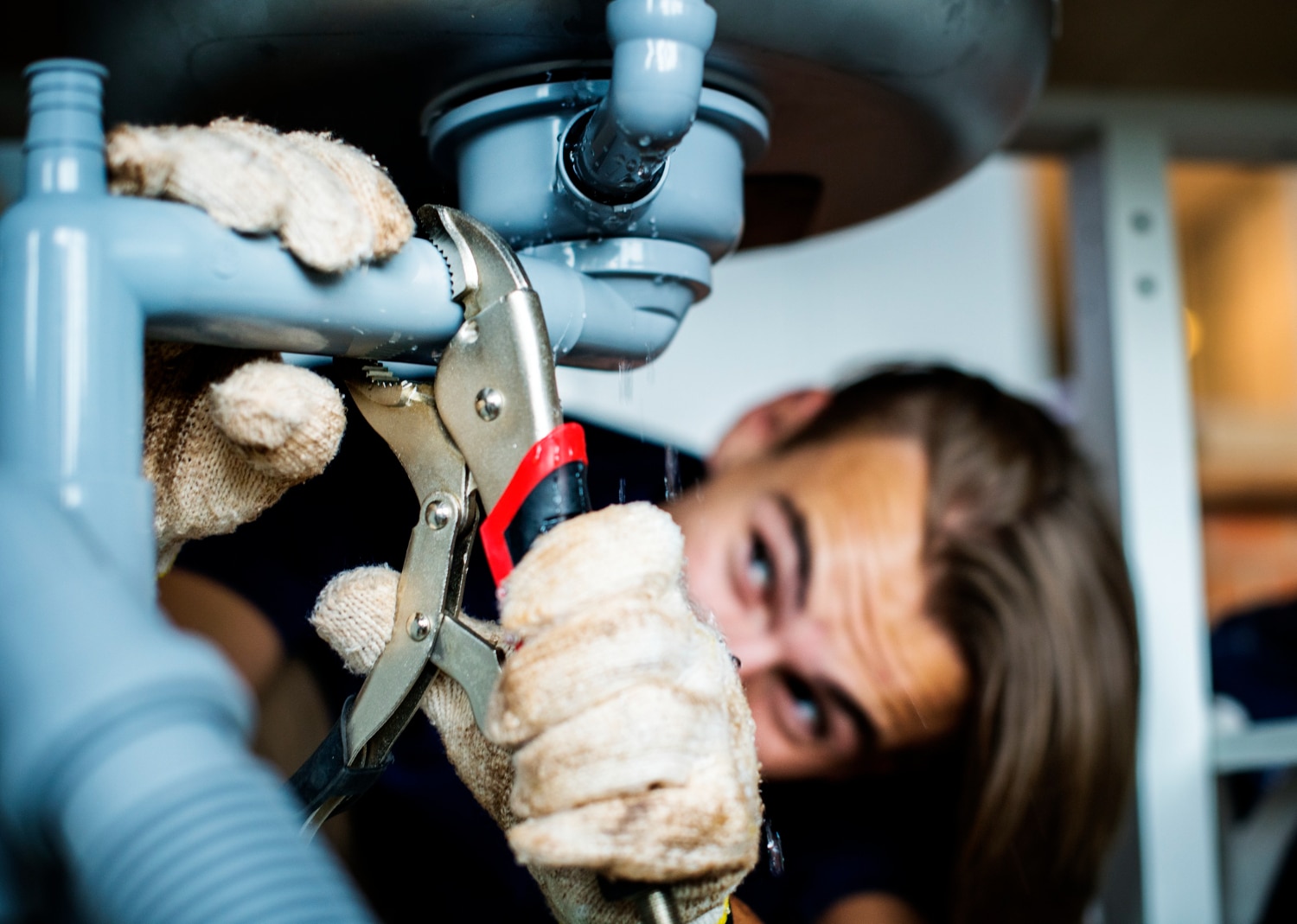
A water leak is one of the most common claims in home insurance, especially in student accommodation where the plumbing can be old. When an incident of this kind happens, it is hard to know how to react if you do not know how your insurance protects you. Here is everything you need to know to protect yourself properly and react effectively in the event of a claim.
The causes of water leaks
A water leak can have many different causes and is often unpredictable.
Problems with the pipework
The pipework sometimes springs leaks for several reasons that it is important to identify. Ageing installations are the first cause to watch out for, especially in older halls of residence. Pipes wear out naturally over time, creating weak points that can give way under pressure.
In 2023, a report revealed that out of more than 1.2 million flats in blocks, 953,491 water leaks were detected, wasting around 1.4 million m³ of water.
Poor installation is also a major risk. A faulty connection, a badly fitted seal or a weak weld can cause serious leaks. Finally, in winter, water that freezes expands and can burst the pipes, causing considerable damage when it thaws.
Leaks at the water meter
The water meter is not immune to faults that can lead to leaks. A faulty meter can not only misrepresent your actual consumption but also be the source of leaks that are hard to detect. The sealing gaskets, which deteriorate over time, are often responsible for these incidents.
Misreading the meter can also hide an existing leak. It is therefore important to learn how to read your meter properly as soon as it is installed. Invisible leaks, such as those inside walls or under the floor, are even more of a problem. They can go on for a long time before being spotted, causing significant damage to the structure of the building and to your personal belongings.
What to do in the event of a claim
When faced with water damage, acting quickly and methodically helps limit the damage. It also makes it easier to get cover from your insurance.
Reporting the claim to your insurer
The claim notification is a decisive step and must be made within 5 working days of discovering the leak, in accordance with Article L113-2 of the French Insurance Code. This relatively short deadline is explained by the need for prompt action to stop the damage from getting worse.
To build up your file, gather as much evidence as you can: photos of the damage, invoices for the damaged items and, if possible, repair quotes. The joint water damage report form, available from your insurer, will have to be filled in if the leak affects other homes.
Tracing the leak
Pinpointing the source of a leak often calls for a qualified professional. This step, although sometimes costly, is generally covered by your student home insurance, within the limits of the guarantees you have taken out.
Plumbers now use modern, non-destructive detection techniques. These include thermal cameras to spot the temperature differences that reveal a leak, and acoustic detectors to hear the water flowing. The search usually takes place in several stages, from a visual inspection to more thorough tests, making it possible to pinpoint exactly where the problem comes from before starting the repairs.
Compensation from the insurer
Once the leak has been identified and the damage recorded, the crucial stage of compensation begins.
Applying the guarantees in the policy
The water damage guarantee is one of the basic protections included in any home insurance for CROUS accommodation and standard rentals. It generally covers damage caused by leaking or burst pipes, water ingress through roofs, or overflows from water appliances.
Some policies offer extensions to the guarantees that are particularly well suited to students’ needs, such as cover for the cost of temporary rehousing or reimbursement of abnormally high water consumption caused by a leak. Watch out for the limits, though: damage resulting from obvious lack of maintenance or from the age of the installations is generally not covered.
Working out the compensation
The amount of compensation depends on several factors, in particular the value of the damaged items and the guarantees you have taken out. For your personal effects (clothing, computer equipment, furniture), the insurer often applies a depreciation factor, in other words a reduction linked to the age of the items. Some policies do, however, offer compensation at replacement value, which is particularly useful for electronic equipment.
The reimbursement ceilings vary according to the policy and the type of item. The compensation process usually begins with the visit of a loss adjuster, who will assess the extent of the damage. Once their report has been drawn up, the insurer will offer you a settlement that it is important to study carefully before accepting, checking that it properly covers the losses suffered, according to the level of cover your premiums entitle you to.